

Take your interior design to the next level with 3D wall painting techniques. Add unique visual appeal and transform ordinary walls into works of art.
Introduction to 3D Wall Painting
3D wall painting is an exciting way to add depth and style to any room. Unlike regular flat wall art, it uses shading, perspective, and layering to create a lifelike effect that makes your walls pop. Whether you want a nature scene, a cool geometric design, or something abstract, 3D wall painting can turn a plain wall into a stunning centerpiece. Best of all, you don’t need to be a pro artist to try it! With some simple tools and guidance, anyone can create something amazing. This blog will cover the basics of 3D wall painting, including the tools you need and easy steps to get started.
Benefits of 3D Wall Art
Adding 3D wall painting to your home or workspace isn’t just about aesthetics it brings a unique blend of creativity and functionality to interior design. This modern art form offers several advantages that go beyond traditional wall decor. Whether you’re looking to enhance a living room, office, or commercial space, 3D wall painting can make a lasting impression. Here are some key benefits:
- Creates Visual Depth: 3D wall painting adds dimension and perspective, making small spaces appear larger and more dynamic.
- Enhances Ambiance: The right design can set the mood of a room whether calming, energetic, or inspiring.
- Personalized Expression: You can reflect your personality or brand identity through custom 3D artwork.
- Increases Property Appeal: Unique wall art can boost the overall look and feel of your home, potentially increasing its value.
- Conversation Starter: A well-done 3D wall painting naturally draws attention and becomes a focal point for guests or clients.
With these benefits, it’s no surprise that 3D wall painting is becoming a popular choice for those who want their interiors to stand out with style and originality.
Choosing the Right Space for 3D Art
Choosing the right space for a 3D wall painting is crucial. Think about the mood you want to create. A small, cozy room might need a bright piece that attracts attention and sparks conversation. In contrast, a larger area can handle something bold and expansive. Remember, lighting matters! Natural light enhances the art’s depth and texture, making colors brighter and shadows more dynamic.
Also, consider the decor around your painting. It should match the room’s style instead of clashing with it. For a modern space, choose sleek designs that fit that look. In a rustic setting, go for organic shapes and earthy colors. The goal is to find a balance where your art stands out while feeling like a natural part of the room.
Essential Tools for 3D Painting
For 3D wall painting, having the right tools can really make the difference between a basic design and something that pops off the wall. Whether you’re just starting out or have some experience, here are some must-have tools you’ll want to keep on hand:
Materials:
- Acrylic Paints – Durable, quick-drying, and perfect for layering.
- Primer – Prepares the wall surface and helps the paint adhere better.
- Sealer or Varnish – Protects the final artwork from dust, moisture, and fading.
- Graphite Pencil or Chalk – This is used to sketch your 3D design before painting.
- Canvas Drop Cloth – To protect your floors from spills and drips.
- Color Palette – This is used to mix shades and highlights.
Tools:
- Assorted Brushes – Fine brushes for details and larger ones for base colors.
- Paint Rollers – For covering large background areas quickly.
- Sponge Brushes – Great for soft blending and texture effects.
- Painter’s Tape – Keeps lines clean and helps create sharp edges.
- Level and Ruler – For accurate lines and maintaining perspective.
- Projector (optional) – To project your design onto the wall for precise tracing.
- Ladder or Step Stool – To reach higher wall sections safely.
- Blending Tools or Fingers – Sometimes your hands are your best tool for soft effects!
With these tools in your kit, you’re all set to bring bold, lifelike designs to your walls through the magic of 3D painting.
Step-by-Step Guide to 3D Techniques
Creating a stunning 3D wall painting might look complex, but when you break it down into simple steps, it becomes totally manageable, even fun! The key is to take your time and follow each stage carefully. Here’s a step-by-step guide to help you get started with basic 3D techniques:
1. Choose Your Space Wisely: Start by selecting a wall that serves as a focal point in your room. Look for areas that could benefit from a pop of creativity, like a living room or a child’s playroom. Consider the lighting, as natural light can enhance the depth and vibrancy of your 3D wall painting.
2. Sketch Your Vision: Before diving into paint, sketch your design on paper. This helps you visualize how the elements will interact and gives you a roadmap to follow. Don’t be afraid to experiment with different perspectives; sometimes the most unexpected ideas lead to stunning results. Choosing the best paints for metal buildings is crucial for durability and aesthetics. The right paint can withstand various weather conditions and provide a long-lasting finish. Be sure to consult with professionals about the specific requirements needed for your metal structures. When considering how to use modern masters paint, it’s important to understand its unique properties and application techniques. This paint is known for its rich color and smooth finish, which can elevate your project significantly. Experimenting with layering and mixing can also yield stunning effects that enhance the overall design.
3. Prepare Your Wall: Clean the surface thoroughly and ensure it’s free from any imperfections. A smooth, primed wall will make it easier to achieve that flawless 3D effect. If needed, use painter’s tape to outline sections for crisp edges, which is crucial for depth perception.
4. Layer Your Colors: Start with the background and gradually build up layers. Use lighter shades for parts you want to appear further away and darker hues for those that should seem closer. This layering technique is essential for creating that mesmerizing 3D illusion.
5. Add Shadows and Highlights: Once the base layers are dry, add shadows to create depth and highlights to bring certain features forward. This step is where your painting will truly come alive, giving it a realistic touch that draws viewers in.
6. Finish with Details: Final touches can make all the difference. Incorporate small details like textures or patterns that enhance the overall design. Don’t rush this step sometimes, less is more, and subtlety can amplify your 3D effect.
7. Seal Your Artwork: Finally, protect your masterpiece with a clear sealant. This not only preserves the colors but also adds an extra layer of shine, making your 3D wall painting pop even more in any light. Plus, it ensures that your creativity lasts for years to come!
Popular Themes for 3D Wall Paintings
Whether you’re decorating a living room, office, or even a kid’s bedroom, choosing the right theme can instantly transform the space and add personality. Here are 10 popular themes that people love for 3D wall art:
1. Nature Scenes: Bringing the outdoors inside, 3D wall paintings of lush forests or serene beaches can create a calming atmosphere. Imagine walking into a room that feels like an extension of nature itself.
2. Urban Landscapes: For city lovers, vibrant cityscapes can add a modern twist. Think of towering skyscrapers and bustling streets that make you feel like you’re in the heart of the action.
3. Fantasy Worlds: Escape reality with enchanting fantasy themes. Whether it’s dragons soaring through the skies or mystical forests, these paintings can spark your imagination and transport you to another realm.
4. Animal Kingdom: From majestic lions to playful dolphins, 3D wall paintings of animals can infuse energy and life into any space. They serve as a reminder of the beauty of wildlife and can even inspire conservation.
5. Abstract Designs: Embrace creativity with abstract art that plays with shapes and colors. These pieces can become conversation starters, drawing attention and intrigue from guests.
6. Underwater Scenes: Dive into tranquility with underwater themes featuring coral reefs and colorful fish. This theme can evoke a sense of peace, making it perfect for bathrooms or relaxation areas.
7. Cultural Artifacts: Celebrate heritage with wall paintings inspired by different cultures. From tribal patterns to traditional motifs, these designs can offer a glimpse into diverse histories and stories.
8. Sports Enthusiasts: Capture the thrill of your favorite sports with dynamic scenes of athletes in action. This theme is ideal for game rooms or man caves, igniting passion and excitement.
9. Geometric Patterns: Clean lines and bold colors in geometric designs can add a modern flair to your walls. They work wonderfully in contemporary settings, creating a sleek and stylish look.
10. Vintage Aesthetics: Nostalgic themes featuring retro cars or classic film posters can bring charm and character to any room. They evoke a sense of history and appreciation for the past, blending seamlessly with modern decor.
Each of these themes offers unique ways to enhance your space, making 3D wall paintings not just decor but an experience that resonates with your personality and passions.
Tips for Maintaining Your 3D Artwork
Your 3D wall painting isn’t just decoration, it’s a piece of art that adds life and personality to your space. To keep it looking vibrant and well-preserved over time, a little regular care goes a long way. Here are some easy and effective tips to help you maintain your 3D artwork:
- Dust it gently using a soft cloth or feather duster to prevent buildup without damaging the texture.
- Avoid direct sunlight, as strong UV rays can fade the colors over time.
- Clean carefully with a slightly damp cloth, no harsh cleaners or scrubbing tools.
- Keep humidity in check, especially if the wall is near a kitchen or bathroom.
- Inspect regularly for any signs of peeling or cracks, so you can fix small issues before they become big ones.
- Use protective sealants to add a layer of defense against moisture and minor wear.
- Position furniture mindfully to avoid accidental scratches or bumps to the painted surface.
With just a few simple habits, your 3D wall painting will stay beautiful and eye-catching for years to come.
Common Mistakes to Avoid in 3D Painting
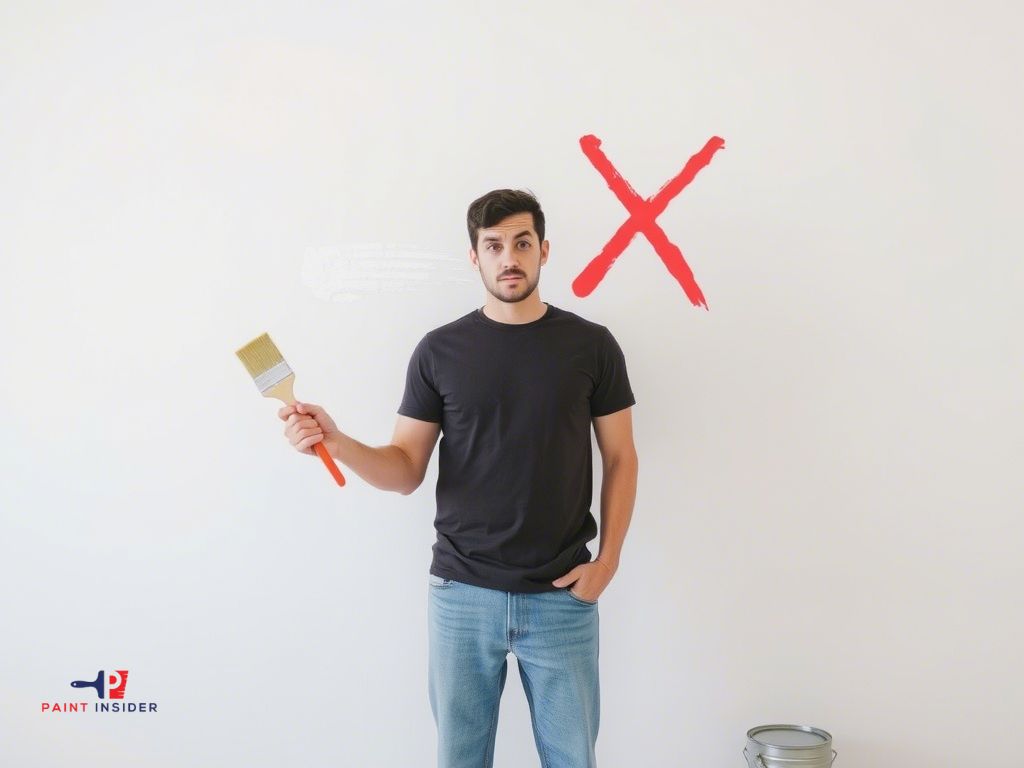
Creating a 3D wall painting is exciting, but it’s easy to make mistakes that can affect the final look. Whether you’re a beginner or trying something new, knowing what not to do is just as important as learning the right techniques. Here are some common mistakes to avoid if you want your artwork to truly stand out:
- Skipping the sketch – Jumping straight into painting without a basic outline can lead to distorted shapes and lost perspective.
- Using low-quality paint – Cheap or watery paints often lack pigment and can peel or fade quickly.
- Ignoring light and shadows – 3D art relies on depth, so forgetting to add proper shading can make your work look flat.
- Wrong wall preparation – Painting on a dirty or uneven surface will prevent the paint from sticking well and reduce the lifespan of your artwork.
- Overcomplicating the design – Trying to add too many details too soon can overwhelm the piece and make it hard to fix mistakes later.
Avoiding these common errors can save you time and frustration and help you create a 3D wall painting that really makes an impact.
Transform Your Space Creatively
You can refresh a room with a bit of creativity. You don’t need to spend a lot or do a full renovation to make it feel new. Simple changes like adding bold art, rearranging furniture, or using different textures can make a big difference. One exciting option is 3D wall painting, which adds depth and personality that flat paint can’t provide. Whether you choose a nature scene, geometric design, or an illusion that opens up the wall, these creative touches transform ordinary rooms into reflections of your style. It’s all about thinking differently and personalizing your space.